Skip to content

Two pairs of gym shorts can look almost identical yet sell at very different prices. Is the expensive pair more durable, or are you paying for a logo? Without knowing what sits behind the price, shoppers and new activewear brands can easily confuse premium positioning with better performance.
Expensive gym shorts are not automatically better. Their quality depends on whether the fabric, fit, stitching, trims, and quality controls are appropriate for their intended use. Higher costs can fund better components and more consistent production, but branding, marketing, packaging, and retail overhead also influence price. To judge value, compare measurable performance and construction—not the price tag alone.
At Maida, we develop custom men's gym shorts from fabric selection through cutting, sewing, and inspection. Here is what we would examine before calling a pair “premium.”
The question is timely. In an October 2026 BCG–WWD survey, 53% of surveyed US fashion consumers identified “quality for the price” as their primary driver of value. That is broader fashion research, not a gym-shorts-specific finding, but the concern applies to athletic apparel too.
Why Do Gym Shorts Have Such Different Prices?
A retail price is not the same as a manufacturing cost. It can include product development, small production runs, warehousing, shipping, retailer margins, advertising, returns, and taxes. Two brands may use comparable fabrics but price their shorts differently because their business models differ.
Factory costs vary too. Custom-dyed fabric, specialist zippers, additional pockets, complex panels, multiple logo applications, and extra testing all require resources. Small orders typically spread setup and sampling costs across fewer pieces. A higher factory price may reflect a real construction difference—or merely a more complicated design.
The useful question is not “Which shorts cost more?” but “Which features improve the way these shorts perform, feel, and last?” That is where a quality comparison should begin.
Does More Expensive Fabric Mean Better Gym Shorts?
Fabric composition is only the starting point
Polyester-elastane and nylon-elastane blends are common in training shorts, but fiber percentages cannot tell the whole story. Yarn quality, weave or knit structure, finishing, and stretch recovery change how two similar-looking fabrics behave.
For example, a lightweight woven polyester blend may suit running and general training because it feels less bulky. A denser nylon blend might offer a different hand feel and abrasion profile. Neither is universally superior: the better choice depends on movement, climate, expected lifespan, and budget.
When we compare fabrics, we examine the actual swatches—not just supplier descriptions. We check opacity, recovery after stretching, surface texture, drape, and how the material handles repeated movement. Brands should request relevant test results when they need substantiated performance claims.
Is higher GSM a sign of quality?
GSM means grams per square meter: it measures fabric weight, not craftsmanship. Heavier fabric may provide more coverage or a substantial feel, but it can also trap more heat or reduce the lightness preferred for running. A lighter fabric can still be well engineered.
Rather than selecting the highest GSM, match weight with the intended activity. Then assess construction and durability separately. “Premium” should describe an appropriate result, not a single number on a specification sheet.
How Do Fit, Stitching, and Trims Affect Quality?
Fit starts with the pattern, not the size label
Two medium shorts can have very different hip widths, rises, thigh allowances, and leg openings. A well-developed pattern allows squats, lunges, and running without pulling across the crotch or constantly shifting at the waist.
At the sampling stage, check the relaxed waistband measurement and how the elastic stretches, recovers, and stays in place. Review inseam and outseam together; the inseam alone does not describe the full silhouette. A beautiful flat-lay photo cannot replace a movement test.
Construction quality shows up under stress
Look closely at the crotch seam, pocket openings, waistband attachment, and side slits. Stitching should be consistent, with appropriate seam allowance and reinforcement where tension is concentrated. Loose threads alone are not always a structural failure, but skipped stitches, weak seam joining, or puckering deserve attention.
More stitches or more panels do not automatically mean better shorts. The appropriate seam construction depends on the fabric, stretch, intended use, and production method. A clean, uncomplicated design can outperform a visually elaborate one.
Hardware should earn its cost
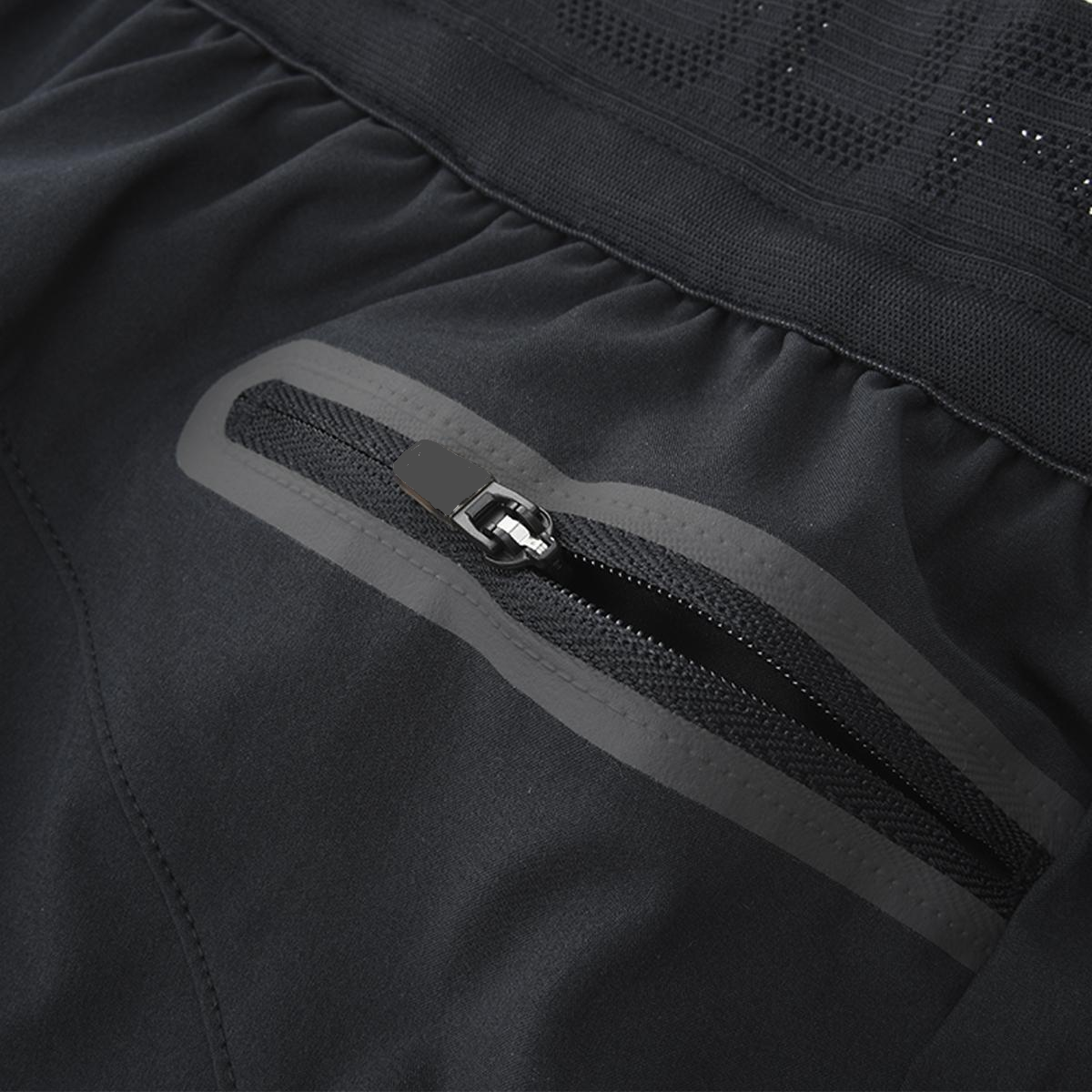
A branded zipper, drawcord tip, or specialty elastic may raise the cost. The important questions are whether the zipper runs smoothly, the pocket is secure, the cord resists fraying, and the waistband remains comfortable after washing.
A premium heat-transfer logo can also cost more than a basic print. That may improve appearance or durability when properly specified, but branding by itself does not improve athletic performance. Spend on function first, then decide which visual details support the product.
How Can Consumers Check Gym Shorts Quality Before Buying?
You do not need laboratory equipment to make a useful first assessment. Compare shorts intended for the same activity and try these checks:
- Stretch and recovery: Gently extend the fabric and waistband. Do they return close to their original shape without obvious distortion?
- Movement: Squat, lunge, sit, and walk. Check crotch pulling, waistband rolling, and leg movement.
- Seams: Examine high-stress joining points for skipped stitches, holes, puckering, or uneven sewing.
- Pockets and hardware: Open and close zippers; check pocket depth and whether contents feel secure.
- Transparency and care: Look for composition, washing instructions, meaningful performance details, and clear return terms.
These checks are useful screening tools, not substitutes for controlled durability tests. A garment can feel excellent in a fitting room yet fade, pill, or change shape after repeated laundering.
For online purchases, look for close-up construction images and a detailed finished-garment size chart. Reviews describing performance after months of use are generally more informative than comments about first impressions.
Which Quality Tests Actually Matter?
Professional quality evaluation should focus on likely failure points rather than collecting impressive-sounding certificates. Depending on the garment, relevant methods include abrasion resistance (ISO 12947), pilling resistance (ISO 12945-2), wash colorfastness (ISO 105-C06), and dimensional changes after laundering (AATCC TM135 for fabric or TM150 for garments, where applicable).
A test standard explains how a property is evaluated; it does not automatically establish that a particular result is acceptable for every product. Buyers and factories still need agreed requirements, testing conditions, and pass criteria.
A simple wash-and-wear trial is also valuable: measure the shorts, wash them as instructed, and compare fit, seams, color, waistband recovery, and decoration afterward. Repeating the check is more revealing than approving the first sample by appearance alone.
Where Should Activewear Brands Spend Their Manufacturing Budget?
When developing shorts for a new label, we would prioritize reliable fabric performance, a validated pattern, functional waist and pocket construction, and clear quality-control standards before adding costly decorative features.
The following matrix helps separate costs that may improve the garment from those that mainly change presentation:
| Spending decision | Potential value | What to verify |
|---|---|---|
| Better-specified fabric | Comfort, stretch recovery, durability | Swatch comparison and relevant tests |
| Improved pattern and sampling | Mobility and consistent fit | Wear trials and approved measurements |
| Reinforcement at stress points | Stronger construction where needed | Seam quality and use testing |
| Premium zipper or elastic | Function and reliability | Component performance after use |
| Complex graphics or packaging | Brand presentation | Appearance, durability, and budget fit |
| Additional quality checks | Earlier defect detection | Defined checkpoints and acceptance criteria |
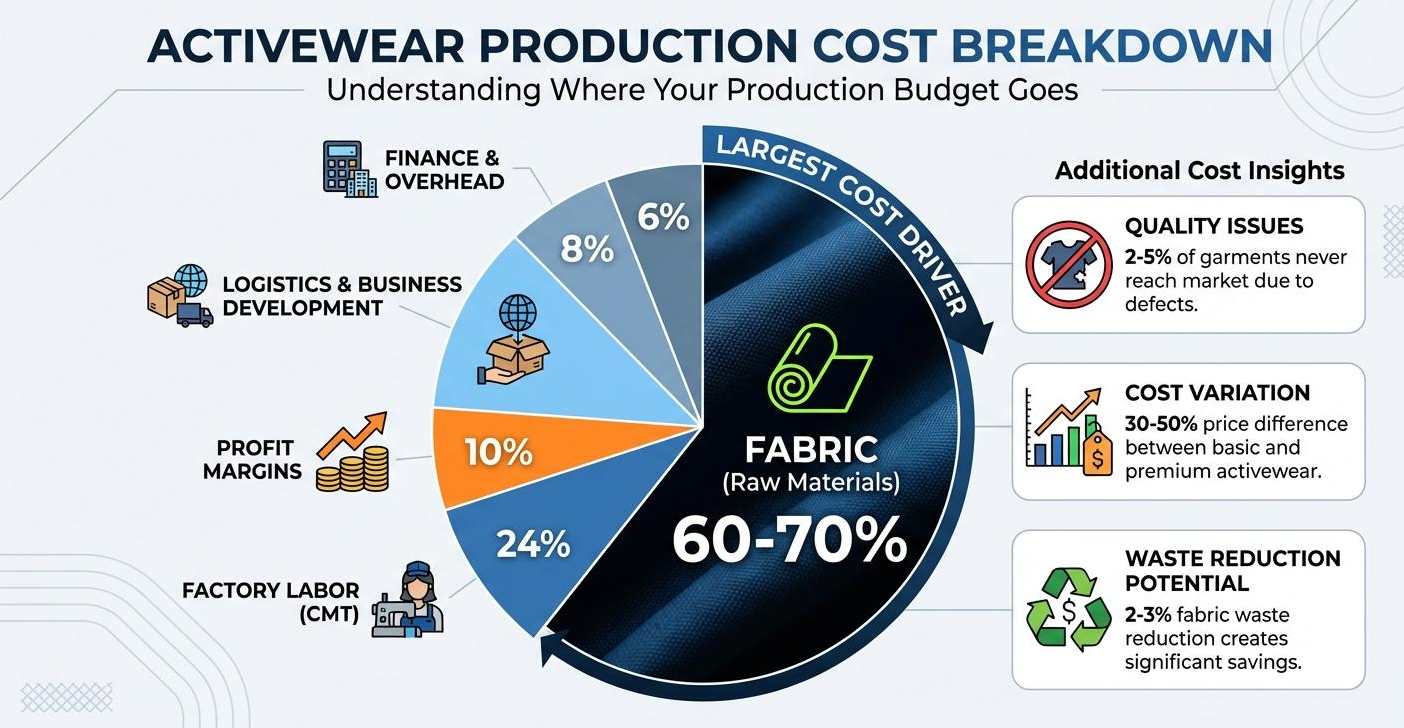
Not every product needs every premium feature. Running shorts may justify lighter fabric and secure storage; strength-training shorts may place greater emphasis on movement allowance and seam performance. Make trade-offs according to the customer, not a vague premium label.
Brands can also manage costs through simpler construction and sensible order planning, without removing essential features. Our custom gym shorts manufacturing page explains which details can be customized; our sampling-to-shipping guide outlines the production stages.
Frequently Asked Questions
Are expensive gym shorts always more durable?
No. Durability depends on fabric, seams, trims, care, and actual use. A higher price may pay for better materials or testing, but it is not proof of longer service life.
Is nylon better than polyester for gym shorts?
Neither fiber is always better. Both can work well in activewear. Evaluate the complete fabric construction, finish, stretch, moisture behavior, feel, and durability for your intended activity.
How much should good gym shorts cost?
There is no universal price. Retail pricing reflects much more than manufacturing. Compare similar products by fit, construction, useful features, documented testing, and how often you expect to wear them.
What should a startup brand approve before bulk production?
Approve the final sample, size specifications, materials, trims, branding, and quality criteria. Compare the production sample with the agreed documents and test critical features before authorizing bulk cutting.
Final Takeaway
The best gym shorts are not necessarily the most expensive. They are the ones whose fabric, fit, construction, and proven performance match the user's needs. Whether you're shopping or building a brand, ask what each extra dollar actually improves—and look for evidence beyond the label.