 Skip to content

An activewear manufacturer's practical guide to fabric, fit, liners, construction and sample testing.
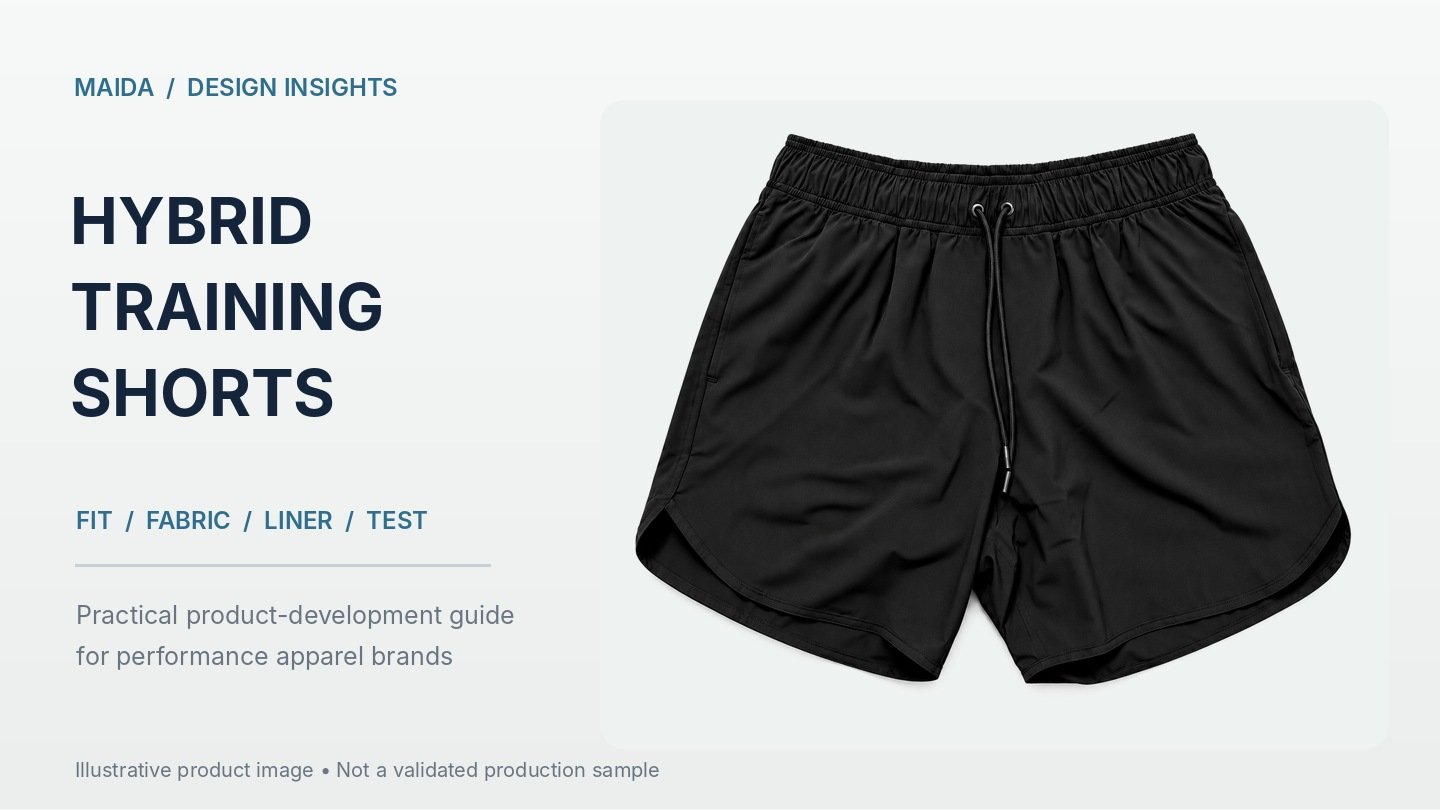
Figure 1. Conceptual MAIDA product-development visual. Replace with an approved real product photo before final public release.
The hybrid fitness audience wants one pair of shorts to handle repeated runs and demanding gym movements. But a design that looks great on a product page may ride up, chafe or shift during training. For activewear brands, the solution is to design and test around movement—not appearance alone.
The best shorts for Hybrid Training balance lightweight, durable fabric, unrestricted leg movement, a secure waistband and a liner that suits the intended user. Brands should test prototypes during running, lunges, squats and functional movements before approving production. There is no single ideal inseam, fabric blend or liner for every athlete: these choices must work together as a complete garment.
Here is how to turn those requirements into a factory-ready custom shorts specification.
1. What Makes Hybrid Training Different?
HYROX events combine eight 1 km runs with eight functional workout stations. That combination is a useful design reference even for brands making general-purpose hybrid fitness clothing: the garment needs to feel comfortable while running, bending, lunging and moving repeatedly between activities.
Think about what can go wrong during movement. A loose waistband may creep down during a run. A narrow leg opening may pull across the thigh during a lunge. A liner seam may rub during repeated strides. A heavy pocket or rigid zipper can become distracting when the athlete accelerates or bends.
Before drawing a pattern, define your target user: recreational gym member, frequent runner, hybrid-training enthusiast or performance-focused competitor. Then decide whether your shorts are primarily for training sessions, everyday use or competition. These are related but different product briefs.
2. What Fabric Works Best for Hybrid Training Shorts?
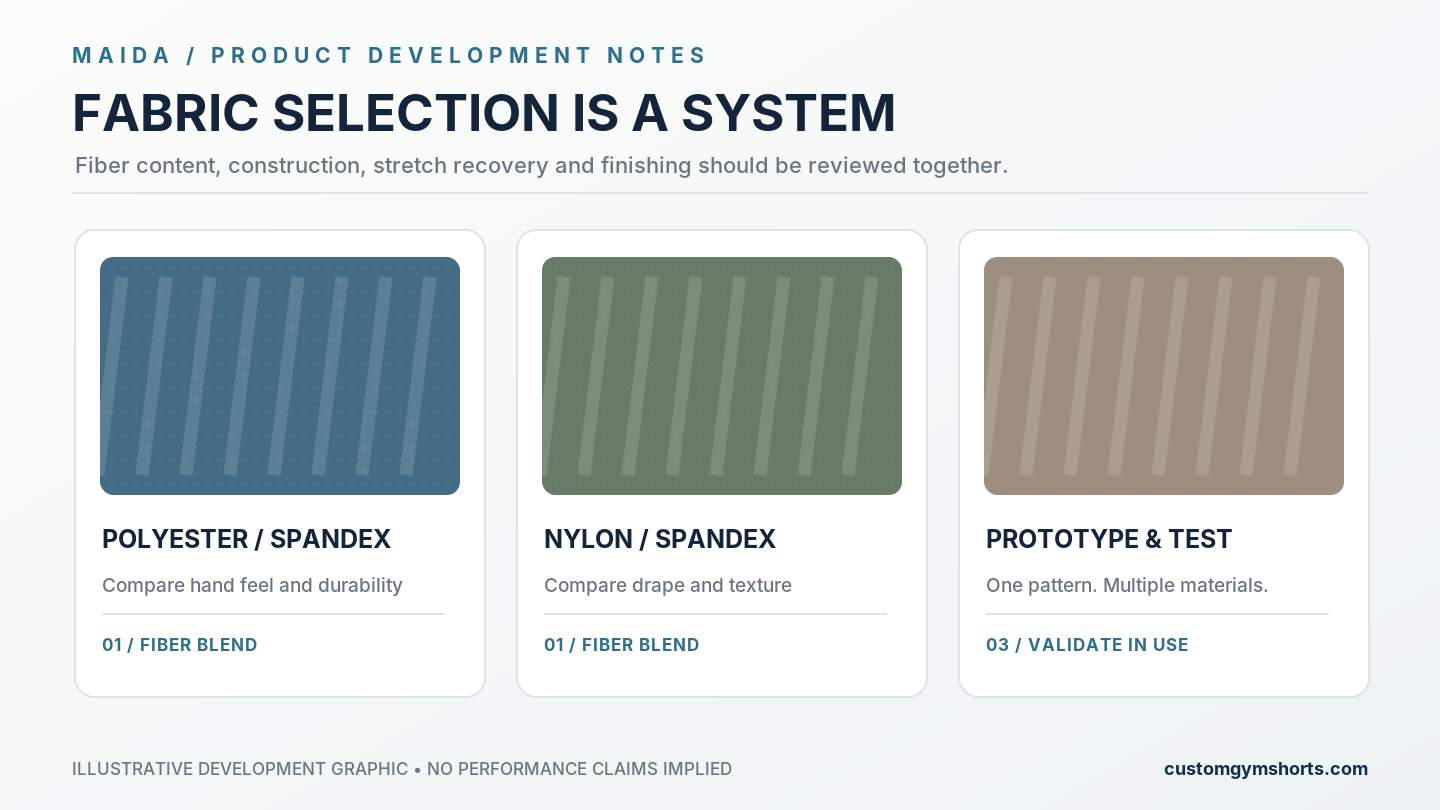
Figure 2. Fabric choices shown as original conceptual swatches; not laboratory-tested specimens.
Start with a lightweight woven fabric that gives the wearer room to move. Polyester-spandex and nylon-spandex blends are common starting points, but fiber percentages alone do not tell you whether a fabric is suitable. The weave, yarn, finish, weight and stretch recovery all matter.
Polyester-spandex can be a practical option for brands prioritizing durability, print versatility and consistent sourcing. Nylon-spandex may offer a different hand feel and drape. Neither is automatically better: compare actual fabric samples rather than selecting solely by the composition label.
For an initial woven-shorts development, manufacturers might present options around 120–160 gsm for comparison. This is a sampling range, not a universal performance standard. A structured 150 gsm fabric may behave very differently from a soft 150 gsm fabric. Liners can also change the total garment feel.
Ask your fabric supplier or manufacturer to document:
- Fiber composition and finished fabric weight (gsm).
- Woven or knitted construction, stretch direction and recovery.
- Hand feel, opacity and comfort against the skin.
- Moisture management and drying behavior, supported by testing if claimed.
- Dimensional stability, colorfastness and suitability for the chosen printing method.
A useful development method is to request two or three candidate fabrics, sew comparable samples, and test them in the same movements. The winning fabric is the one that works with the pattern—not simply the lightest swatch on the table.
3. What Inseam Length Should Brands Choose?
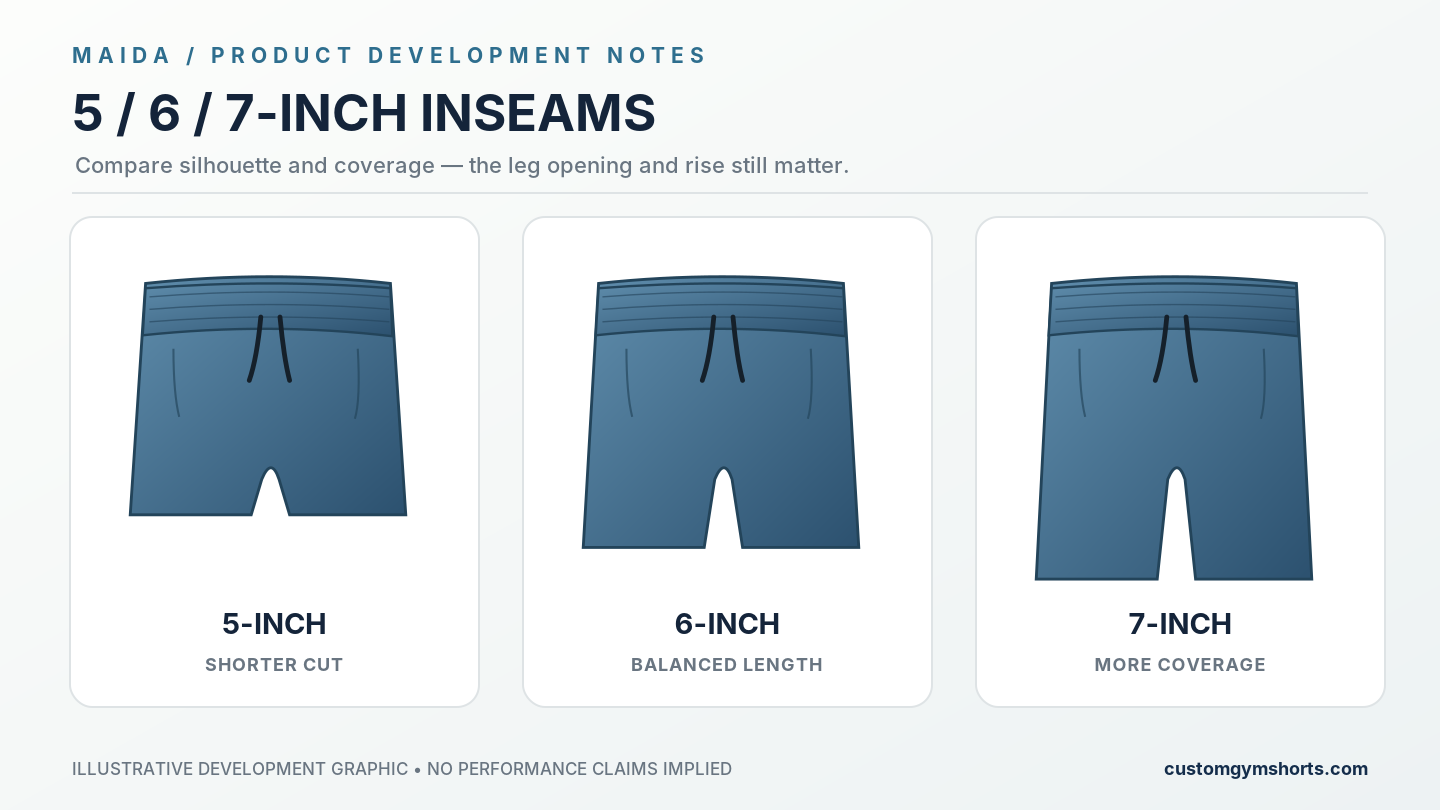
Figure 3. Inseam silhouettes shown for visual comparison only; not a factory pattern.
A shorter inseam can feel less restrictive, while a longer inseam may provide more coverage. But inseam length should never be evaluated without thigh width, rise, side seam shape and leg opening.
| Starting concept | Potential advantage | What to check in sampling |
|---|---|---|
| 5-inch inseam | Shorter silhouette; more exposed leg | Ride-up, coverage and side-slit comfort |
| 6-inch inseam | Middle ground for a mixed training range | Thigh ease and proportion across sizes |
| 7-inch inseam | More coverage for some customers | Fabric pulling at the thigh and knee-drive clearance |
These are design starting points, not rules. Two shorts with the same 5-inch inseam can feel completely different because one has a wider leg opening or a higher side slit.
For a first collection, selecting one clear fit direction is usually more useful than producing several inseams before the base pattern is approved. Test the medium-size sample, revise it, then check grading in the smallest and largest planned sizes. Measure inseam and outseam separately so the team does not confuse the two.
4. Brief Liner, Compression Liner or No Liner?
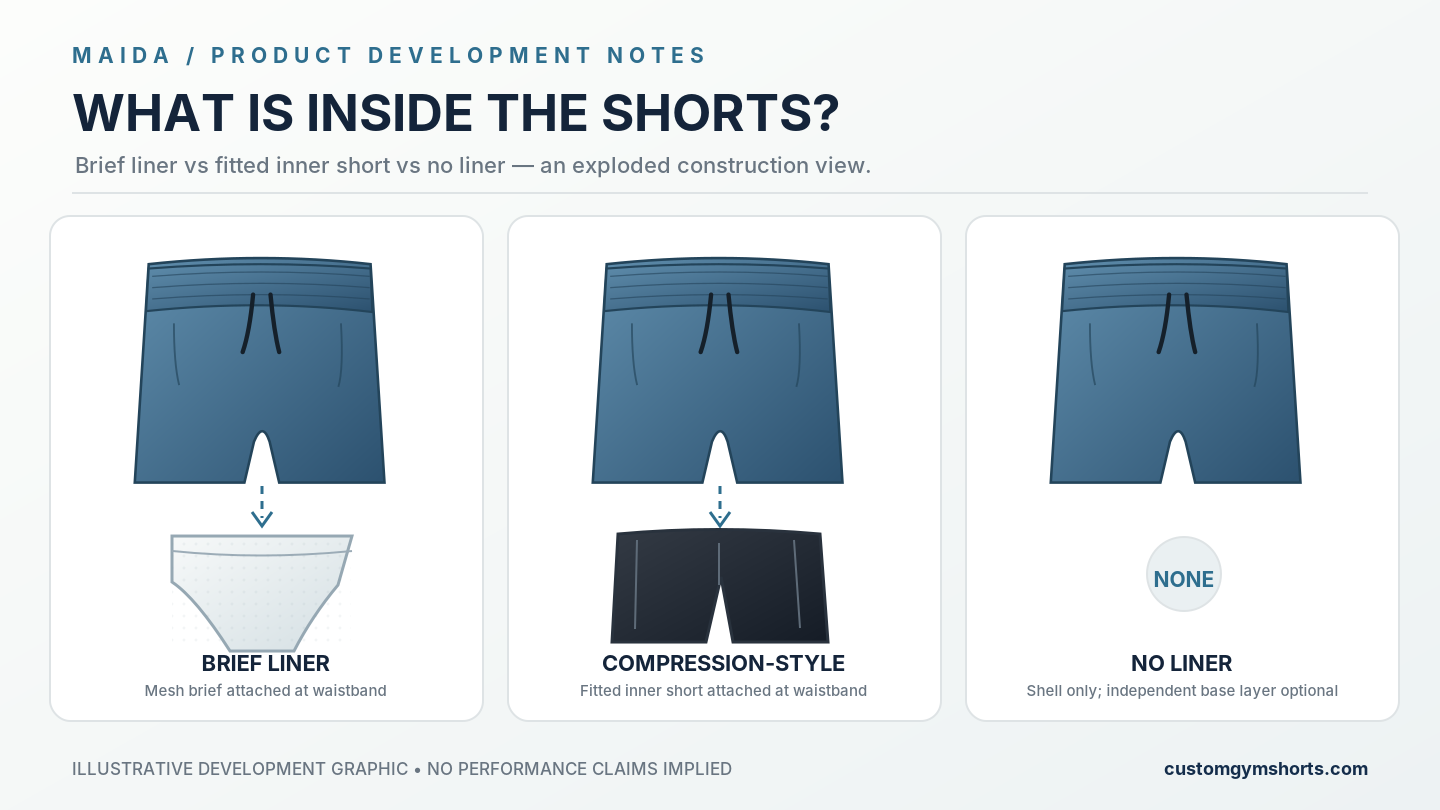
Figure 4. Conceptual exploded liner construction; final seam attachments depend on the approved tech pack.
The liner changes both the feeling and construction of running shorts. It should be a deliberate brand decision, not an afterthought.
Brief liner: A lightweight, underwear-shaped inner layer can provide coverage without adding a full second leg. Pay attention to mesh softness, elastic edges, crotch shape and seam placement. A liner that looks breathable may still create friction if its edges are too tight.
Compression-style liner: This usually extends down the thigh, creating a closer-fitting inner short. It can provide a more secure, covered feel for users who like fitted layers. Check whether the inner legs roll upward, whether the crotch has enough mobility and how the liner connects to the outer waistband. Avoid unsupported claims that it prevents fatigue or improves athletic performance.
No liner: An unlined shell gives buyers flexibility to use their preferred underwear or base layer. It may simplify construction, but it does not remove the need to check seam comfort, opacity, rise and movement.
For development, request a clear inside-out sample photo or a detachable construction diagram. The tech pack should state the liner fabric, elastic, coverage, hem finish and exact attachment point. A photograph of the outer shell alone cannot confirm what is inside.
5. How Should Waistbands, Pockets and Seams Be Designed?
Waistband stability
A waistband should remain comfortable and secure without excessive pressure. Specify finished waistband height, elastic width, drawcord type and relaxed waist measurement. During fitting, assess whether it rolls, twists or slips during running and squatting. Record the approved elastic specification, because two elastics of the same width can feel different.
Pockets that match the use case
A daily training short might benefit from secure side pockets. A competition-oriented design may prioritize a streamlined profile with fewer items moving around. If using zippers, consider puller size, placement and whether the hardware rubs against the body. Do not assume that adding more pockets always improves the garment.
Freedom of movement
Check the rise, crotch curve, thigh ease and side-slit height as a connected system. A side slit helps only if the overall shape still allows the intended motion. Reinforce high-stress joining points where appropriate, and choose seam finishes that do not create hard ridges in contact areas.
Branding that survives use
Heat-transfer logos, screen printing, embroidery and reflective details produce different finishes. Confirm logo size, position, elasticity and care requirements. For printed or transferred logos, approve a sample after laundering rather than judging the artwork only on screen.
6. How Can Brands Test a Sample Before Bulk Production?
This is where an appealing concept becomes a repeatable product. A sample should be tested as clothing, not simply photographed on a mannequin.
A practical wear-test session can include 10–15 minutes of running, repeated walking lunges, deep squats, step-ups and selected functional-training movements. The exact duration is an internal screening suggestion, not a validated industry pass/fail test. Use a consistent test plan so different samples can be compared fairly.
During and after the test, record:
- Waistband movement: Does the waist remain stable when the athlete bends or accelerates?
- Leg clearance: Does the outer shell restrict stride length, hip flexion or lunge depth?
- Liner behavior: Does the liner roll, twist, ride up or rub at the inner thigh?
- Pocket comfort: Do contents bounce? Do zippers or seams press against the wearer?
- Heat and moisture comfort: Does the garment feel overly clingy after perspiration?
- Fit consistency: Do wearers of different builds report the same issue?
Photograph the sample from front, side and back while standing, squatting and lunging. Ask testers what felt uncomfortable and precisely where. Replace vague feedback such as “the shorts feel wrong” with measurable observations: “the hem pulls across the front thigh in a deep lunge.”
After wear testing, wash the sample according to the intended care instructions, then remeasure key points. Look for shrinkage, twisting, color change, elastic deterioration, seam puckering and logo damage. Formal performance claims should be supported by appropriate laboratory methods and agreed acceptance criteria.
Before bulk production, approve one final reference sample and a written specification. If the fit or material changes after approval, repeat the relevant checks rather than assuming the earlier test still applies.
7. What Should Be Included in a Factory-Ready Shorts Tech Pack?
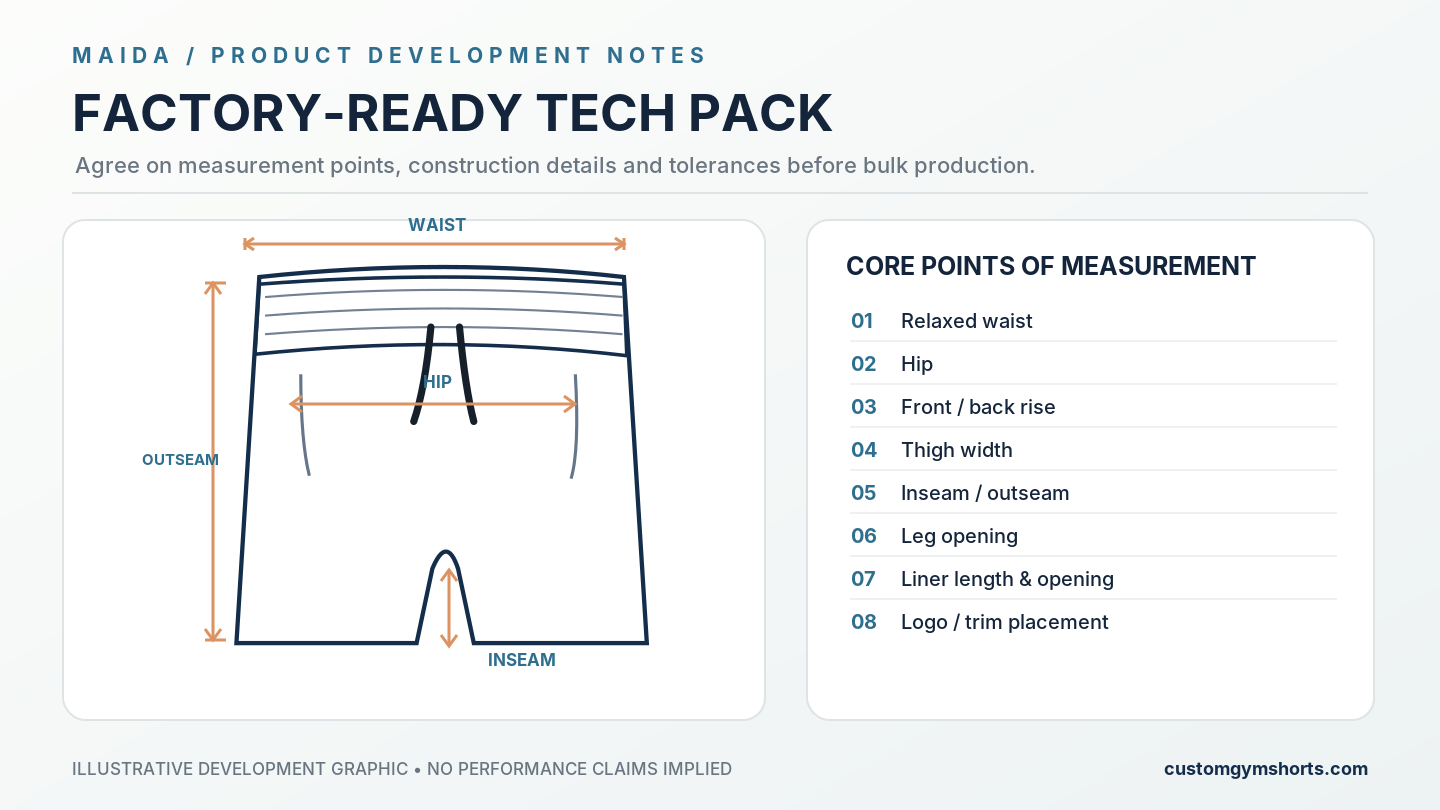
Figure 5. POM positions are illustrative. Define exact measurement locations and tolerances in the final technical specification.
A factory cannot reproduce a concept accurately if critical decisions remain only in chat messages. Your tech pack should define the product in measurable terms.
Include a front and back technical sketch; an inside view if the garment has a liner; the bill of materials; artwork files; a size chart; and construction notes. At minimum, identify these points of measurement (POM): relaxed waist, hip, front rise, back rise, thigh, inseam, outseam and leg opening. State whether measurements are taken flat, doubled or around the garment.
Add a measurement diagram showing exactly where each point is taken. Specify grading across sizes, acceptable tolerances agreed with the manufacturer, and how the waistband should be measured. For the liner, include its length, openings, seams and joining method.
A useful approval checklist includes:
- Main and liner fabric references, gsm, composition and approved color.
- Waistband elastic, drawcord, eyelets, zipper and pocket-bag details.
- Side-slit shape, seam construction and reinforcement locations.
- Logo artwork, width, placement distances and application technique.
- Labels, care instructions, packaging and approved size range.
- Sample version, approval date, inspection points and change history.
This information reduces confusion between designers, suppliers, sample makers and production teams. It is particularly valuable when a brand moves from a single prototype to mixed-size bulk orders.
8. How Can Brands Start Custom Hybrid Shorts Production?
Begin with a defined customer and a single development brief. Share a sketch, inspiration photos that you have permission to use, desired fit, target price range, quantity and intended activity. Your manufacturing partner can then discuss feasible materials and construction options.
At MAIDA Activewear, we support OEM/ODM development of custom gym and performance shorts, including fabric selection, inseams, liners, pockets, logos, private labels and packaging. Our published minimum order quantity commonly starts around 50 pieces, depending on design and production details.
We recommend this sequence: design brief → fabric and trim selection → first sample → fit and movement review → revised approval sample if needed → confirmed specifications → bulk production → quality inspection.
For brand owners and buyers, the goal is not to choose the most complicated specification. It is to make the smallest number of well-tested decisions that solve real needs for your target customer.
Frequently Asked Questions
Are Hybrid Training shorts different from regular gym shorts?
They can be. A hybrid-training design gives particular attention to repeated running combined with lunges, squats and other functional movements. However, a well-designed general training short may also work; the difference is in the design brief and wear testing, not the name.
Is a compression liner necessary for hybrid training?
No. Some athletes prefer a fitted inner short; others choose a brief liner or an unlined shell. Evaluate comfort, chafing risk, coverage and how the liner behaves during movement.
Is 5-inch or 7-inch inseam better?
Neither is universally better. A 5-inch option offers a shorter silhouette, while a 7-inch option provides more coverage. Leg opening, rise and side slits can matter as much as the inseam number.
Can a brand develop private-label hybrid training shorts with a low MOQ?
Yes, depending on the construction and manufacturer. MAIDA offers custom gym shorts development with typical starting quantities around 50 pieces per design; final MOQ and pricing should be confirmed against fabric, print, liner and trim requirements.
Final Takeaway
The best hybrid training shorts are designed around movement, tested on real wearers and specified clearly for production. Treat fabric, fit and liner as one system. To develop your collection, explore MAIDA's custom shorts manufacturing options or send our team a design brief.
Independent product-development guide. HYROX is a trademark of its respective owner. MAIDA Activewear is not affiliated with, sponsored by or endorsed by HYROX.


